
Three ways to charge
Charge where life takes you
-
At home
The easiest way. A wall box charges your car overnight, so you start every day with a full battery.
-
At work and destinations
Use AC chargers at offices, hotels and shopping centres to top up while you're parked.
-
On the road
DC fast chargers add hundreds of kilometres in about 20–25 minutes — ideal for longer trips.
Charging times
How long does it take?
Typical charging times for each model. Actual times depend on the charger, the battery temperature and the state of charge.
| Model | Battery | Home (AC) | AC charging time | Fast charging (DC) | Range |
|---|---|---|---|---|---|
 Geely EX5 Geely EX5 |
60 kWh | 11 kW | About 6–7 h (full) | 30–80% in about 20 min | Up to 430 km WLTP |
 Geely EX2 Geely EX2 |
35 / 47 kWh | 6 kW | About 7–8 h (full) | 20–80% in about 25 min | Up to 345 km WLTP |
 Geometry C Geometry C |
70 kWh | 11 kW | 30–100% in about 6 h | Supported (CCS) | Up to 485 km* |
Manufacturer data for the international versions. AC times are estimates with a wall box at the car's maximum AC power. *Geometry C range is the manufacturer's figure for the 70 kWh version.
Home charging
Your own charging station
We help you from the first question to your first full charge.
- 1
Site check
A certified electrician checks your electricity supply and the best place for the charger.
- 2
Choose your wall box
We recommend the right wall box for your car and your supply — single- or three-phase.
- 3
Professional installation
Installed on a dedicated, protected circuit, following electrical safety standards.
- 4
Plug in and relax
Charge overnight and schedule charging from the car or the Geely app.
Battery care
Look after your battery
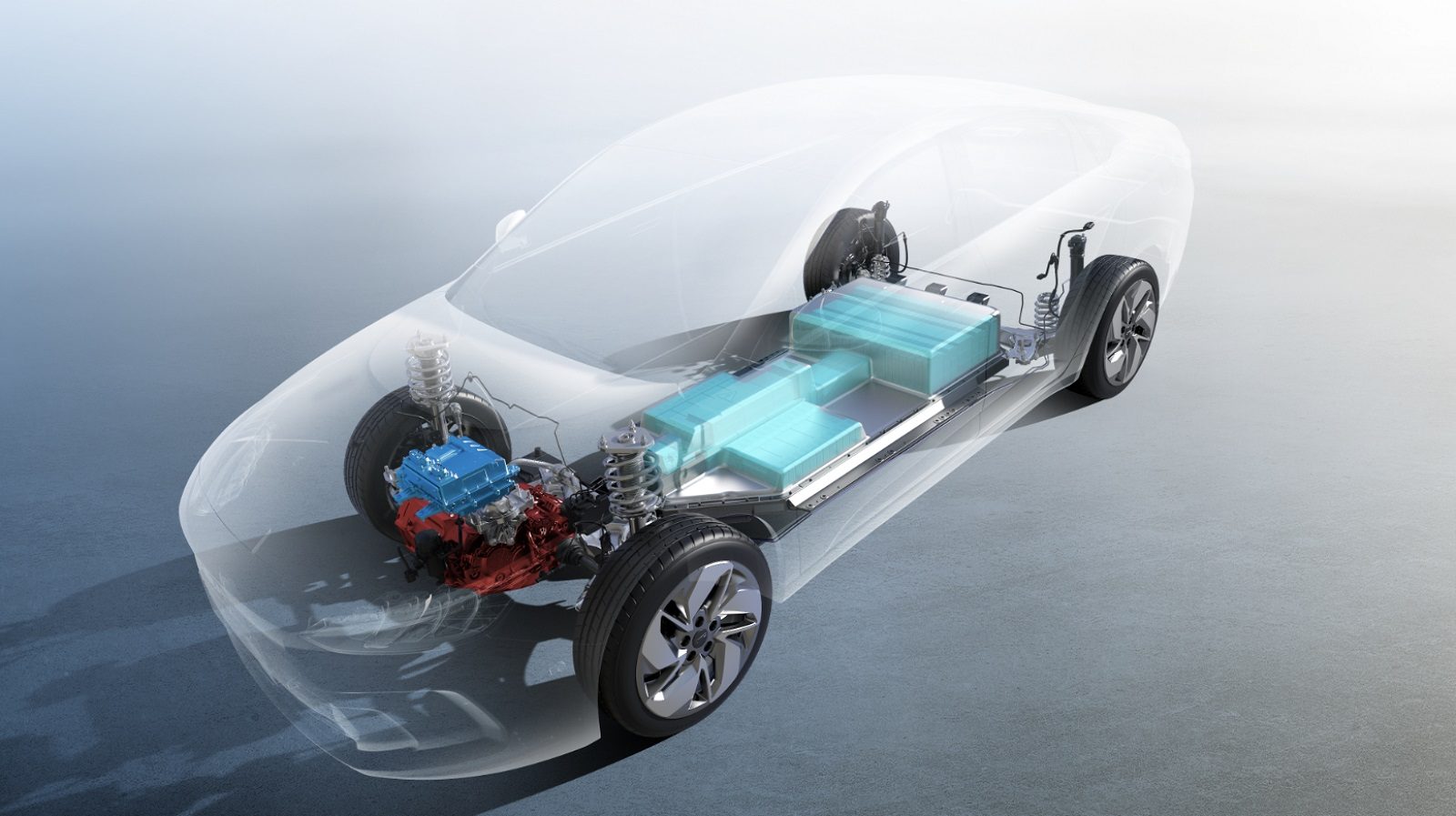
Geely uses durable LFP batteries with intelligent thermal management that keeps the cells at the right temperature — in the heat of the lowlands and at altitude.
For daily driving, charge to around 80–90% and save full charges for long trips. Park in the shade on hot days and keep the car's software up to date.
Range
Get the most from every charge
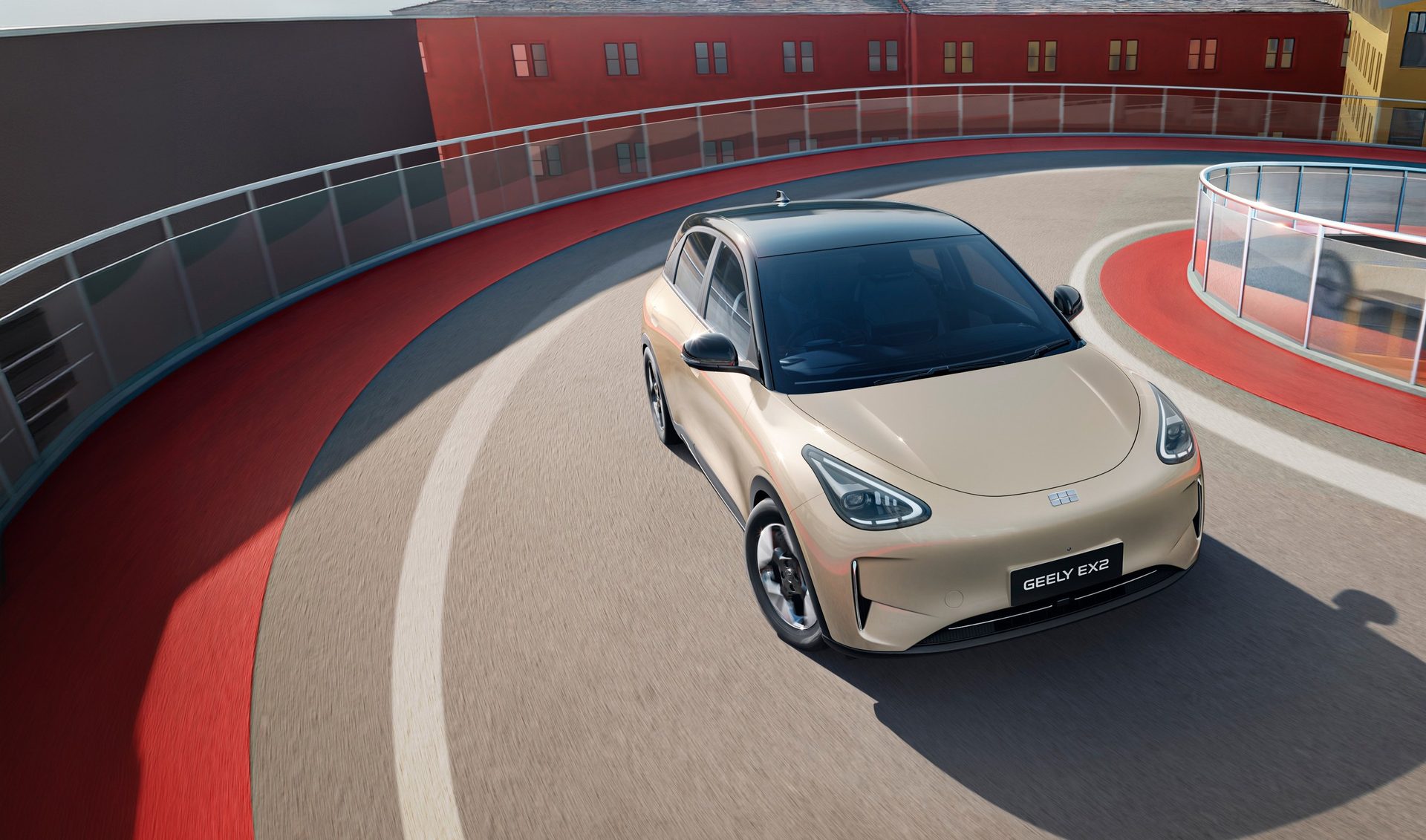
Range depends on how you drive. Smooth acceleration, moderate speeds and regenerative braking all add kilometres.
Air conditioning, heavy loads, steep climbs and under-inflated tyres use more energy. Pre-cool the cabin while plugged in to start with a full battery.
FAQ
Charging questions
Can I charge from a normal wall socket?
For occasional top-ups, yes, with a portable charger — but it is slow. For daily use we recommend a wall box on a dedicated circuit, installed by a certified electrician. It is faster and safer.
What happens during a power cut?
Nothing to worry about: the car keeps its charge, and charging simply resumes when power is back. You can schedule charging for the hours when supply is most reliable in your area.
How often will I need to charge?
It depends on how far you drive. For typical city driving in Addis Ababa, many owners plug in once or twice a week. Charging overnight at home means you start every day with a full battery.
Is it safe to charge in the rain?
Yes. Charging connectors and wall boxes are sealed and weather-protected, and the car only starts charging once the plug is securely locked in.
Which charging connector does my car use?
Connector standards can differ between markets. Our team will confirm the charging standard of your car and help you choose a compatible wall box and adapters.
Does fast charging damage the battery?
No. The battery management system controls the charging speed and temperature to protect the cells. For daily driving, home AC charging is the gentlest option; DC fast charging is perfect for trips.
Still have a question?
EV experts
Talk to an EV expert
Questions about home charging, wall boxes or range? Our team will help you plan everything.
- No obligation
- Reply within 24 hours
- Personal service